Introduction
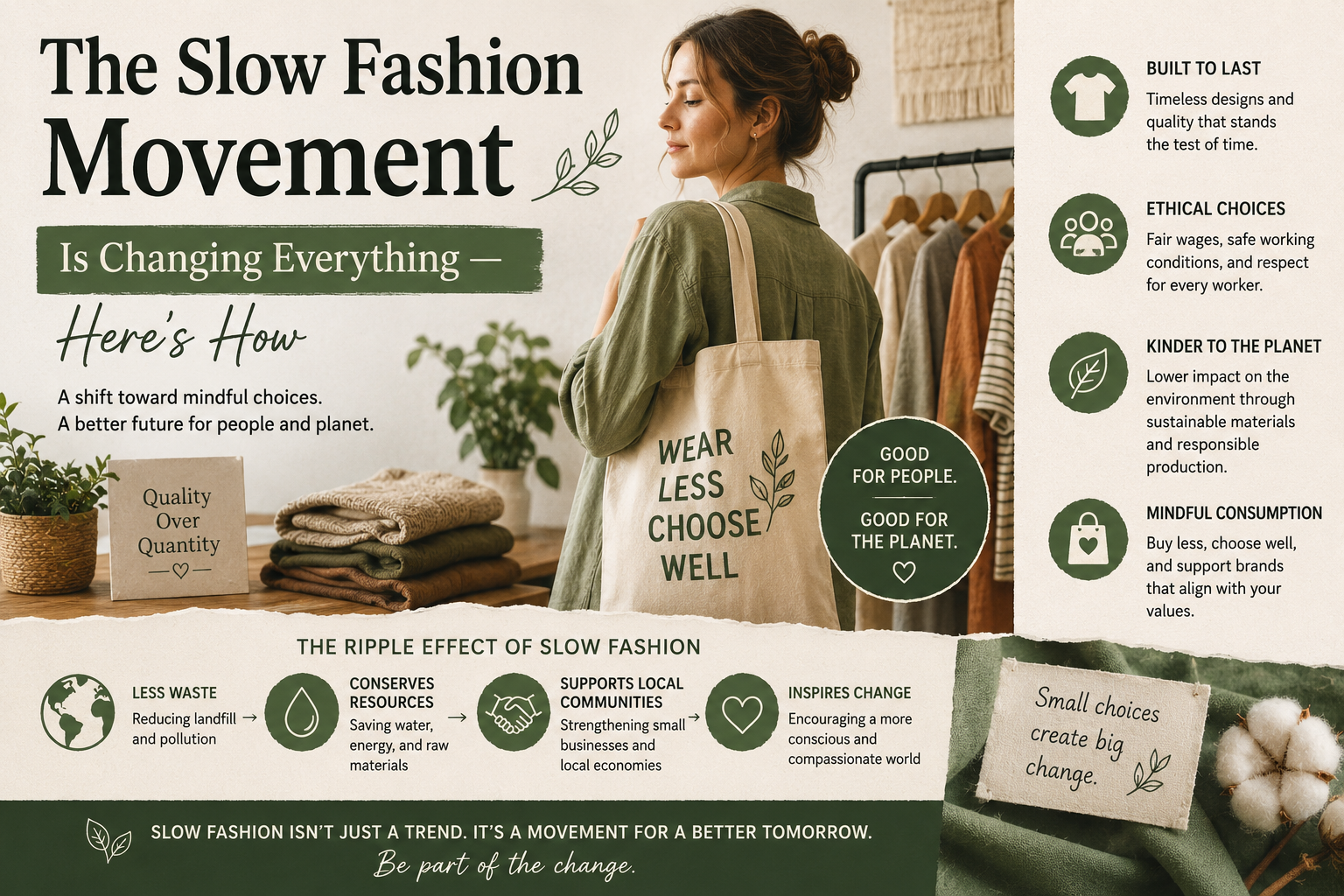
In a world where fast fashion has long dominated runways and retail racks, a quiet revolution is taking root — literally. Consumers, designers, and brands are turning their attention to eco-friendly clothing: garments made with the environment in mind, from the soil where natural fibres are grown to the final stitch on the factory floor. This shift isn’t just a trend. It’s a transformation in how we think about what we wear.
What Is Eco-Friendly Clothing?
Eco-friendly clothing refers to garments that are designed, produced, and distributed with minimal harm to the environment. This includes the use of organic or recycled materials, ethical manufacturing practices, reduced water and energy consumption, and biodegradable or recyclable packaging.
Unlike conventional clothing — which often relies on synthetic dyes, pesticide-heavy cotton, and exploitative labor — eco-friendly clothing prioritises transparency, sustainability, and conscious consumption at every stage of its lifecycle.
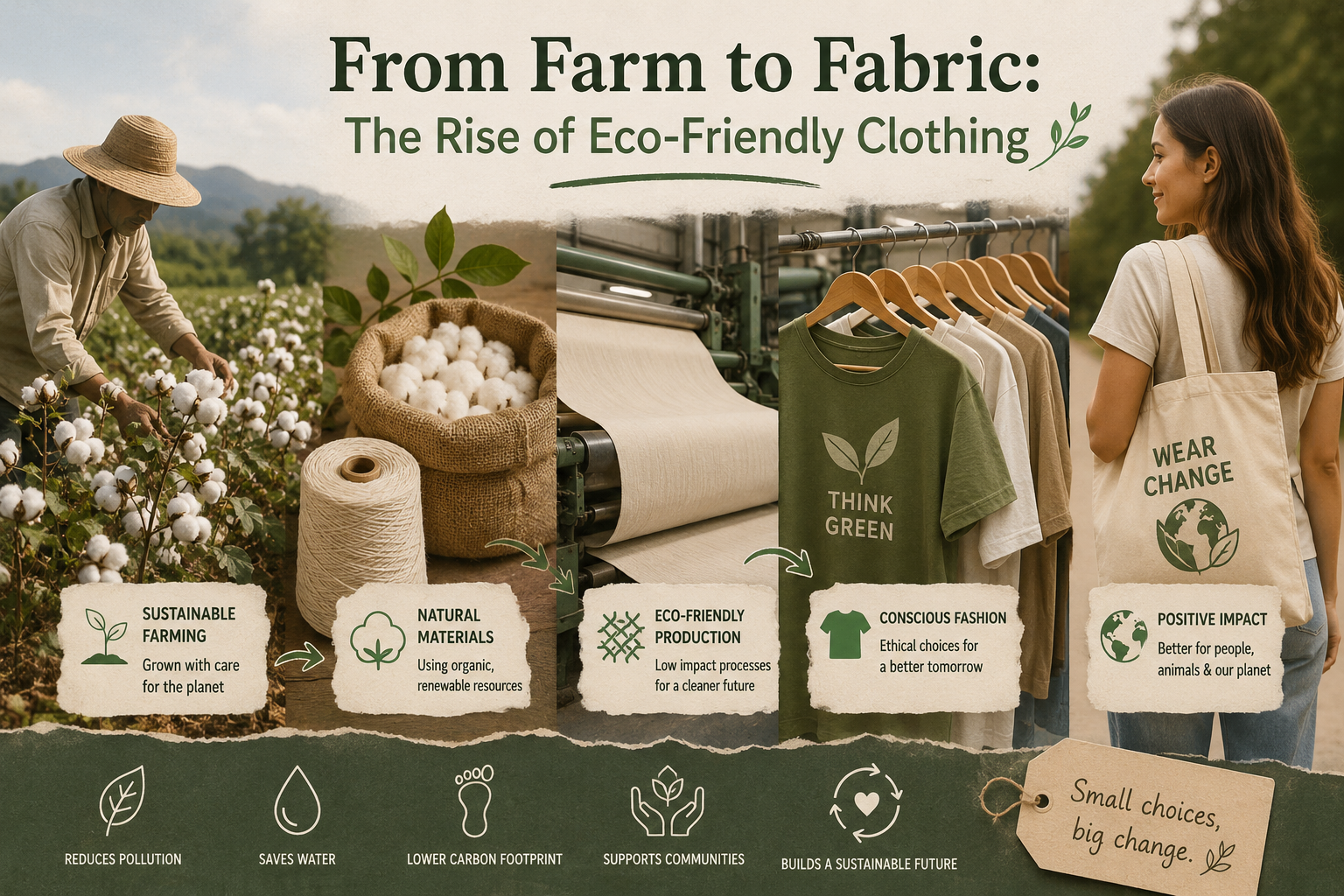
From Farm: Where It All Begins
The story of eco-friendly clothing starts in the soil. Conventional cotton is one of the most pesticide-intensive crops in the world, accounting for nearly 16% of global insecticide use. In contrast, organic cotton — a cornerstone of the eco-friendly clothing movement — is grown without harmful chemicals, preserving soil health, protecting water sources, and supporting biodiversity.
Other sustainable fibres making waves include:
- Hemp – Requires little water, no pesticides, and actually enriches the soil it grows in.
- Bamboo – One of the fastest-growing plants on Earth, naturally regenerative and biodegradable.
- TENCEL™ (Lyocell) – Made from sustainably sourced wood pulp in a closed-loop process that recycles water and solvents.
- Recycled Polyester – Produced from post-consumer plastic bottles, reducing landfill waste while creating durable fabric.
Each of these materials represents a step toward a cleaner, greener wardrobe — and a healthier planet.
To Fabric: The Manufacturing Journey
Once raw materials are harvested, the process of turning them into eco-friendly clothing involves equally thoughtful manufacturing. Sustainable brands are embracing:
- Low-impact dyes – Natural or certified dyes that don’t leach toxic chemicals into waterways.
- Waterless dyeing technology – Innovations that dramatically cut water usage in textile production.
- Fair trade manufacturing – Ensuring that workers across the supply chain are paid fairly and work in safe conditions.
- Local and small-batch production – Reducing the carbon footprint associated with long-distance shipping and overproduction.
The goal of eco-friendly clothing production is not just to reduce harm — it’s to build a system that gives back more than it takes.
The Rise of the Conscious Consumer
What’s driving this shift toward eco-friendly clothing? In large part, it’s the consumer.
Today’s shoppers — especially Millennials and Gen Z — are asking harder questions before they buy. Where was this made? What is it made of? Who made it? Studies show that over 60% of consumers now consider sustainability when making a purchase, and nearly half are willing to pay a premium for eco-friendly clothing that aligns with their values.
Social media has also played a powerful role. Movements like #WhoMadeMyClothes and documentaries such as The True Cost have pulled back the curtain on the environmental and human cost of cheap fashion — and pushed millions toward more sustainable choices.
Leading Brands Paving the Way
Several brands have become benchmarks in the eco-friendly clothing space:
- Patagonia – A pioneer in sustainable outdoor wear, committed to Fair Trade certification and using recycled materials.
- Eileen Fisher – Known for timeless, organic designs and a robust take-back and recycling program.
- Reformation – Tracks and publicly shares its environmental footprint on every product page.
- Thought Clothing – Specialises in bamboo, hemp, and organic cotton everyday essentials.
- Veja – A French sneaker brand that sources organic cotton directly from cooperatives in Brazil.
These brands prove that eco-friendly clothing doesn’t mean sacrificing style, quality, or affordability — it means redefining what those words mean.
Challenges Still Ahead
Despite its momentum, the eco-friendly clothing industry faces real challenges:
- Greenwashing – Some brands use vague language like “conscious” or “natural” without any certified proof, misleading consumers.
- Cost barriers – Sustainable production often costs more, making eco-friendly clothing less accessible to lower-income shoppers.
- Scalability – Meeting global demand sustainably requires massive systemic change in agriculture, manufacturing, and logistics.
- Consumer habits – Overcoming the deeply ingrained “buy more, pay less” culture of fast fashion remains an uphill battle.
Addressing these challenges requires not just brand innovation, but also policy change, consumer education, and industry-wide accountability.
How to Build an Eco-Friendly Wardrobe
You don’t need to overhaul your entire closet overnight. Here are simple steps to embrace eco-friendly clothing in your daily life:
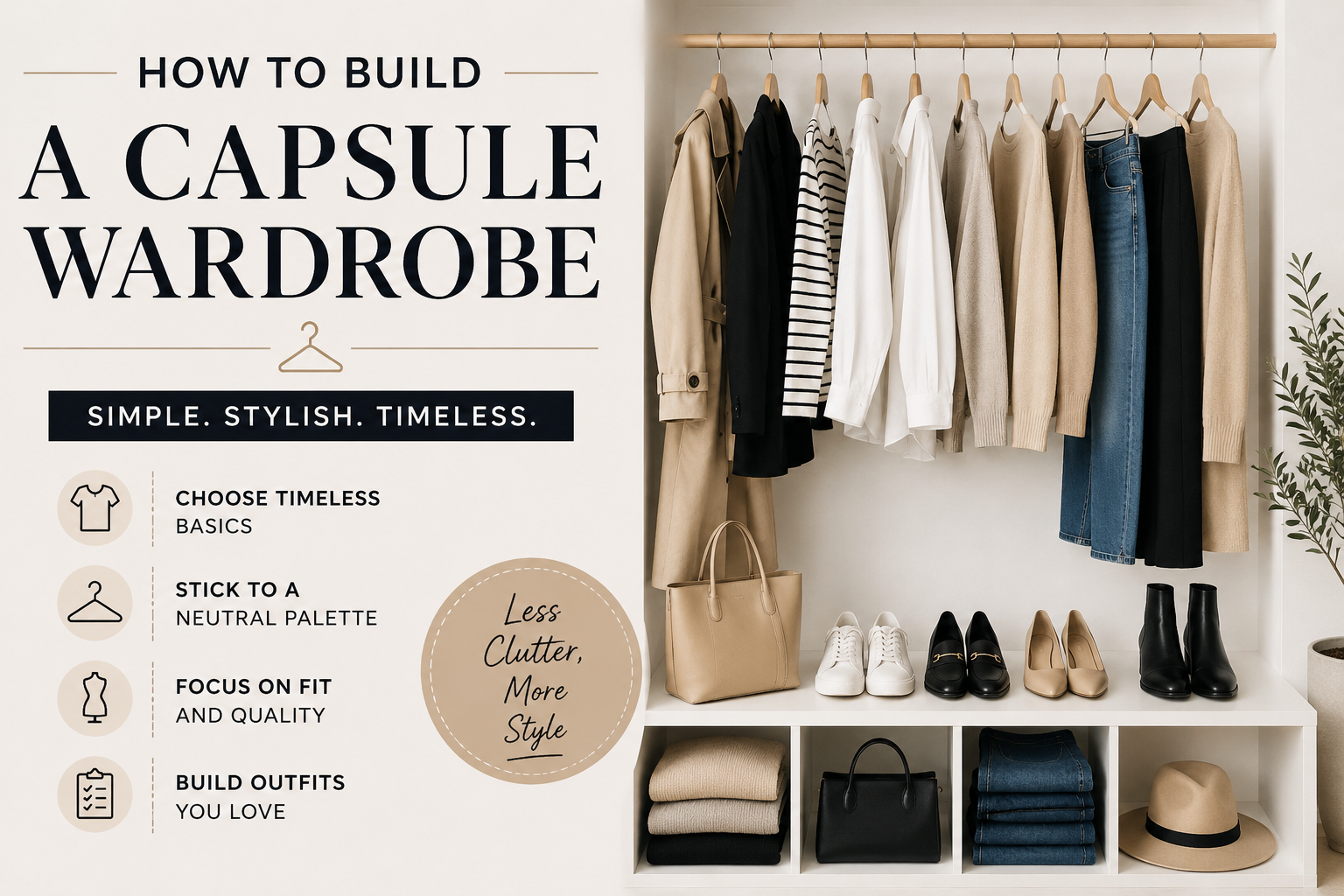
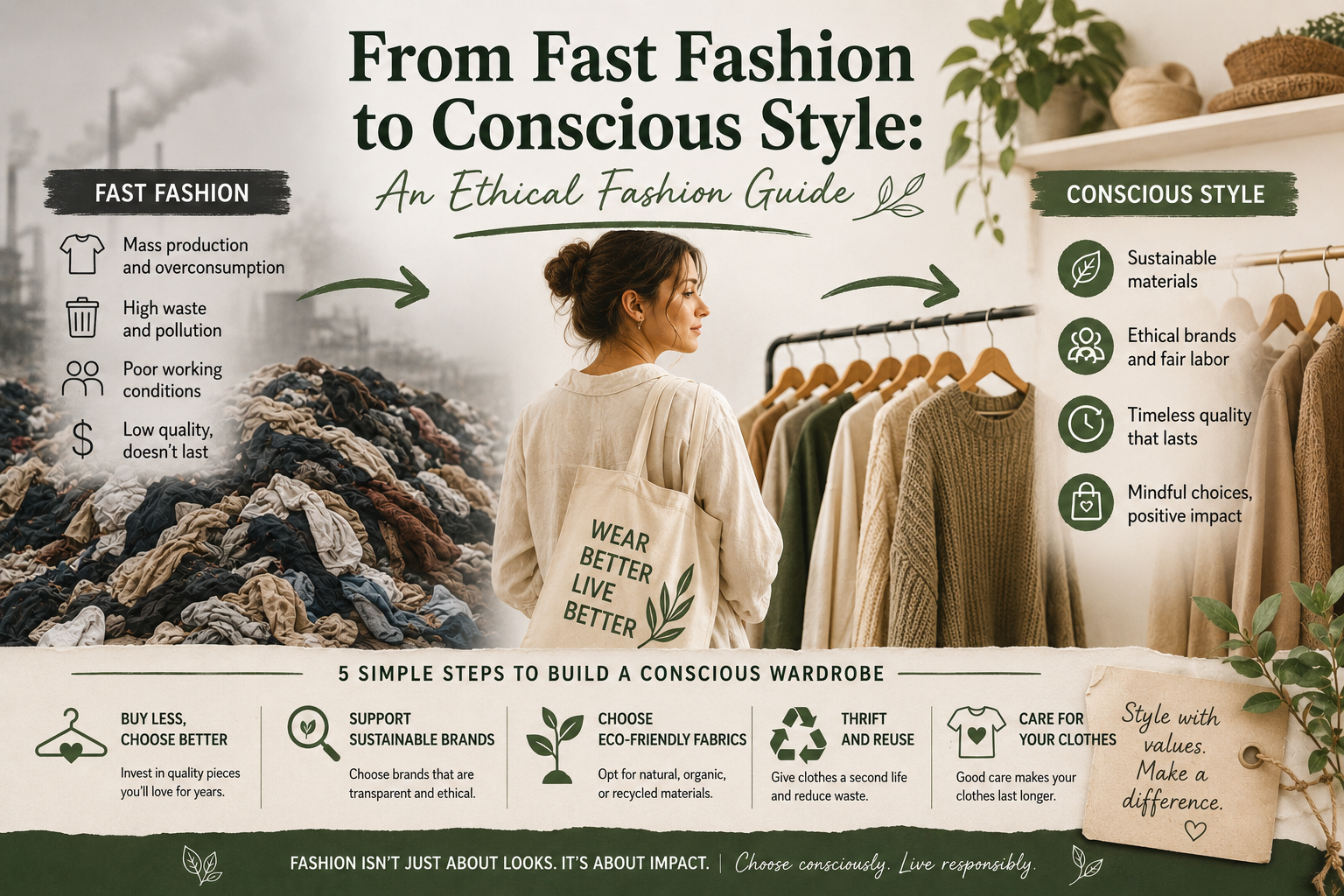
- Buy less, choose well – Invest in quality pieces that last longer instead of cheap items you’ll discard in months.
- Look for certifications – Seek out labels like GOTS (Global Organic Textile Standard), Fair Trade, OEKO-TEX, and B Corp.
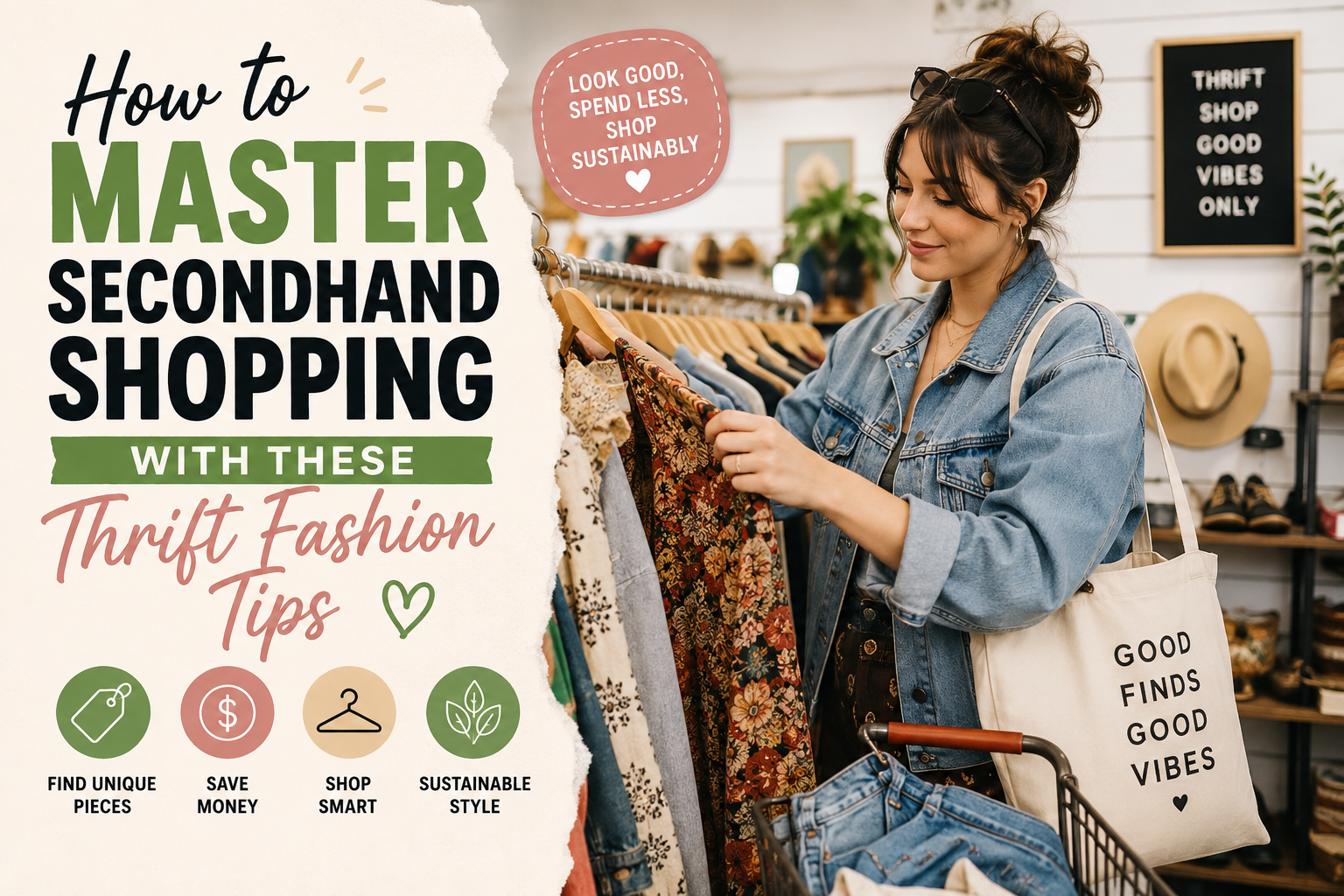
- Shop secondhand – Thrift stores, vintage shops, and resale platforms extend the life of garments and reduce textile waste.
- Care for your clothes – Wash in cold water, air dry when possible, and repair rather than replace.
- Support sustainable brands – Every purchase is a vote for the kind of fashion industry you want to see.
The Future of Fashion Is Green
The rise of eco-friendly clothing is more than a fashion movement — it’s a cultural reckoning. As climate change accelerates and resources grow scarce, the way we dress ourselves carries real environmental weight. The good news? Change is already happening, one organic thread at a time.
From the farm where fibres are grown to the fabric that touches your skin, eco-friendly clothing offers a vision of fashion that is beautiful, responsible, and deeply human. The future of style isn’t just about looking good — it’s about feeling good about the choices we make.
Because the most sustainable outfit you own is one made with care — for people, and for the planet.