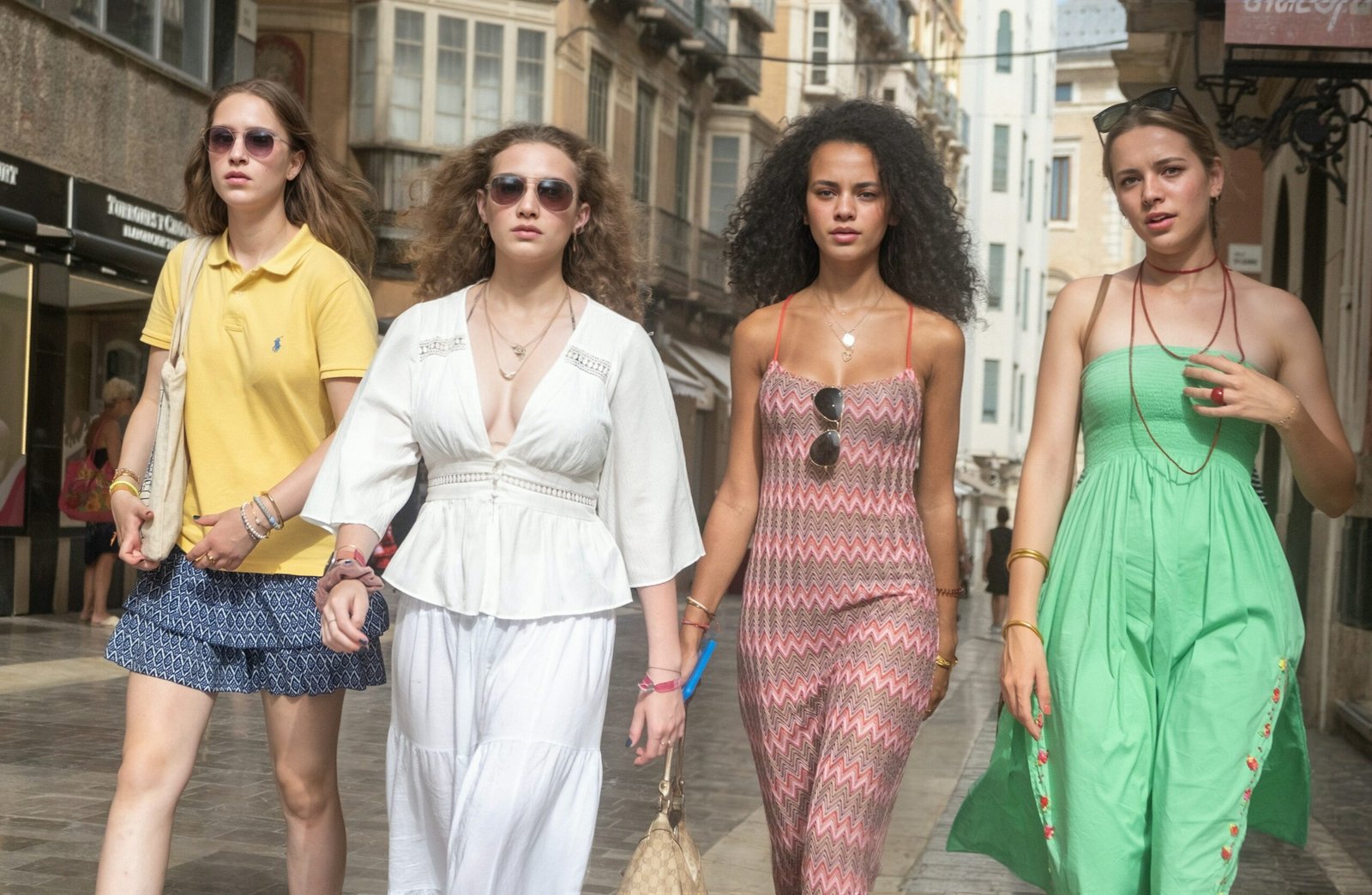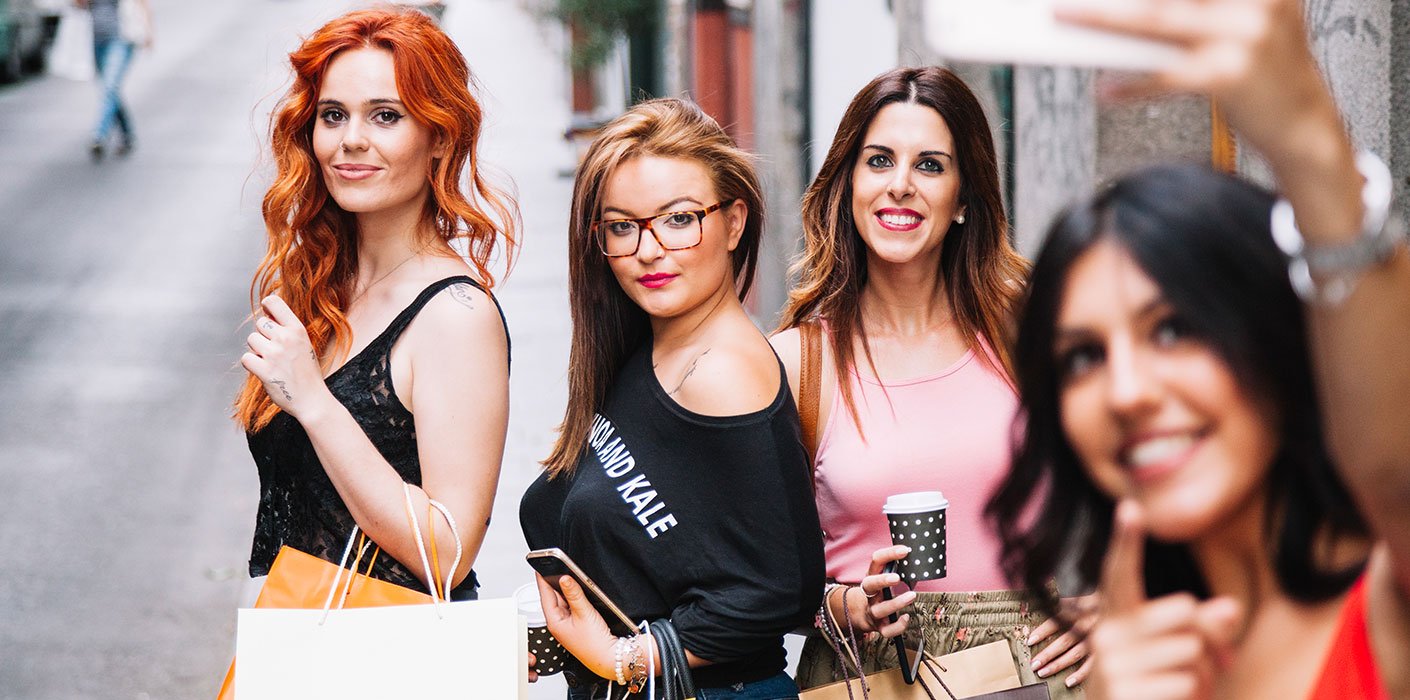






You don’t need a bigger wardrobe — you need a smarter one. Mastering the art of mixing and matching outfits is the single most powerful skill a fashion-forward dresser can develop. It’s what separates those who always look effortlessly put-together from those who feel like they have “nothing to wear” despite a closet bursting at the seams.
This guide breaks down everything: color theory, pattern play, tips by clothing type, outfit formulas that actually work, and how to build a capsule wardrobe that multiplies your options exponentially. Let’s get into it.
Why Mix-and-Match Dressing Is the Ultimate Style Move
Before the rules, the mindset. True style isn’t about wearing head-to-toe looks straight off a runway — it’s about creative expression through combination. Fashion insiders call it “outfit remixing,” and it’s the backbone of a sustainable, versatile wardrobe.
When you learn to mix and match, you:
- Get dramatically more wears out of every piece you own
- Develop a signature personal style rather than just copying trends
- Shop more intentionally and spend less
- Travel lighter without sacrificing options
- Reduce wardrobe fatigue (that dreaded “I’ve worn this combo too many times” feeling)
Now, let’s build the foundation.
The Color Rules Every Fashion-Forward Dresser Knows
Color is the most powerful tool in mix-and-match dressing. Get it right and everything clicks. Get it wrong and even expensive pieces look off.
1. The Neutral Base Rule
Build your outfit around one neutral — white, black, cream, grey, camel, navy, or tan — and add color from there. Neutrals are infinitely mixable because they don’t compete with each other or with bolder pieces. A camel blazer over a white tee with dark navy trousers? Effortless.
2. The 60-30-10 Formula
Borrowed from interior design and just as effective in fashion: 60% of your outfit in a dominant color, 30% in a secondary color, and 10% in an accent. This keeps looks balanced without being boring. Try a cream 60% (trousers + shirt), a chocolate brown 30% (blazer), and a pop of rust 10% (bag or shoes).
3. Tonal Dressing (Monochrome Done Right)
Wearing one color family head to toe is one of the most sophisticated mix-and-match moves. The key is varying the texture and shade — think dusty lilac knit tucked into deep plum wide-leg trousers with mauve mules. Same hue family, different depths, stunning result.
4. Complementary & Analogous Pairings
For bolder color mixing, use the color wheel:
- Complementary colors (opposite on the wheel) create high-impact contrast: cobalt blue + burnt orange, emerald green + magenta.
- Analogous colors (adjacent on the wheel) feel harmonious and editorial: rust, terracotta, and mustard together; forest green with olive and sage.
5. The Unexpected Neutral: Brown + Black
Once considered a fashion faux pas, mixing brown and black is now a cornerstone of contemporary styling. Chocolate leather boots with black tailored trousers? Modern and intentional.
Pattern Mixing: The Advanced Move
Pattern mixing intimidates most people, but the formula is simpler than it looks.
Scale Is Everything
The golden rule: mix patterns of different scales. A large floral with a micro stripe works beautifully. Two medium-sized prints of similar scale will clash. Vary the size — bold with subtle — and you’re golden.
Stick to a Color Link
When mixing two patterns, make sure they share at least one color. A navy-and-white stripe paired with a navy floral print feels cohesive because the color story is connected.
Winning Pattern Combos
- Stripes + florals — a fashion classic. Breton stripe tee + floral midi skirt is perennially chic.
- Checks/plaid + animal print — editorial and bold. Keep the rest of the outfit neutral.
- Geometric + abstract — works when the color palette is restrained.
- Leopard print + stripes — leopard acts as a neutral in the pattern world (yes, really).
The Texture Trick
If pattern mixing feels too bold, mix textures instead for visual interest with less risk: matte + shine, rough + smooth, ribbed knit + fluid satin, structured tweed + soft jersey.
Mix-and-Match Tips by Clothing Type
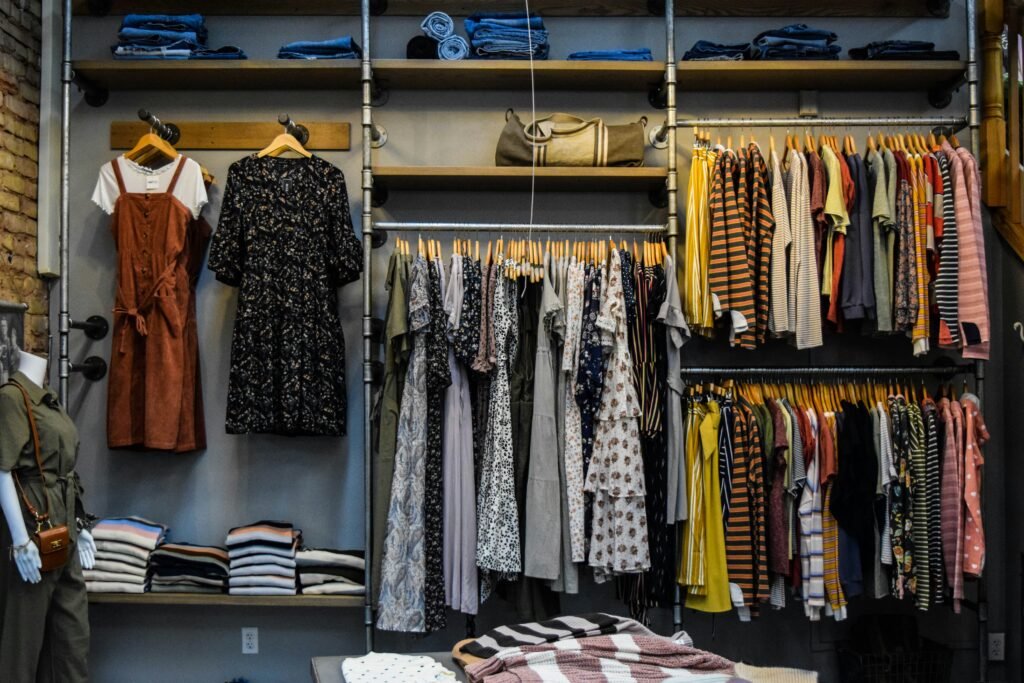
Tops
- A classic white button-down shirt is the most versatile piece you can own. It works tucked into tailored trousers, half-tucked with a midi skirt, knotted over a slip dress, or layered under a knit vest.
- Fitted basics (crew-neck tees, fitted turtlenecks, simple tanks) are the ideal base layer — they play supporting role to statement bottoms or outerwear without competing.
- When wearing a statement top (bold print, embellished, or dramatic sleeve), ground it with a simple, solid bottom.
Bottoms
- Tailored trousers in neutral tones (black, navy, camel, cream) are your highest-ROI investment. They elevate everything above them — a simple tee instantly becomes an outfit.
- A denim skirt or jean in a clean wash functions like a neutral and pairs with almost any top, from silk blouses to graphic tees to knit sweaters.
- Wide-leg trousers and straight-leg jeans are the most mixable silhouettes right now — they balance both cropped and longer tops beautifully.
Outerwear
- A blazer (especially in a neutral or classic check) is the ultimate mixer. It transforms casual pieces into polished looks and adds a layer of intention to any outfit.
- A leather or faux-leather jacket functions as a statement piece AND a neutral — it adds edge to florals, softens tailoring, and elevates basics.
- Coats with strong silhouettes (oversized, belted, structured) do the heavy lifting — the outfit underneath can be simple.
Shoes
- Shoes can make or break a mix-and-match outfit. White sneakers are the ultimate casual equalizer. A pointed-toe pump or loafer instantly elevates. A chunky boot adds a grunge-luxe dimension.
- Repeat a color from elsewhere in your outfit in your shoes for a pulled-together look — wearing green? Green heels or green-accented trainers tie everything together.
Bags
- A bag in a contrasting or complementary color adds intentional pop to a tonal outfit.
- In a maximalist pattern-mixed look, a simple structured bag in one of the outfit’s colors acts as an anchor.
Outfit Formulas That Always Work
These proven combinations give you a starting point every time:
- Formula 1: The Elevated Basic Fitted turtleneck + wide-leg tailored trousers + pointed-toe loafers + minimal gold jewelry. Works in any color combination, endlessly remixable.
- Formula 2: The Smart Casual Remix Graphic or printed tee + straight-leg jeans + blazer thrown on top + white sneakers or ankle boots. The blazer elevates, the sneakers keep it grounded.
- Formula 3: The Tonal Power Look Head-to-toe in one color family but varied textures — silk top, crepe trousers, suede heels. Intentional, sophisticated, fashion-forward.
- Formula 4: The Print Clash Done Right Striped top + floral midi skirt, linked by a shared color, with one neutral (bag or shoes) to anchor the look.
- Formula 5: The Layered Luxe Slip dress or spaghetti-strap dress worn over a fitted long-sleeve tee or under a chunky knit. This “dress over layers” approach looks current and creates depth.
- Formula 6: The Unexpected Proportion Oversized, boxy top + slim or straight trouser or mini skirt. Or cropped jacket + wide-leg trousers. Playing with proportion is an instant style upgrade.
Build a Capsule Wardrobe That Multiplies Itself
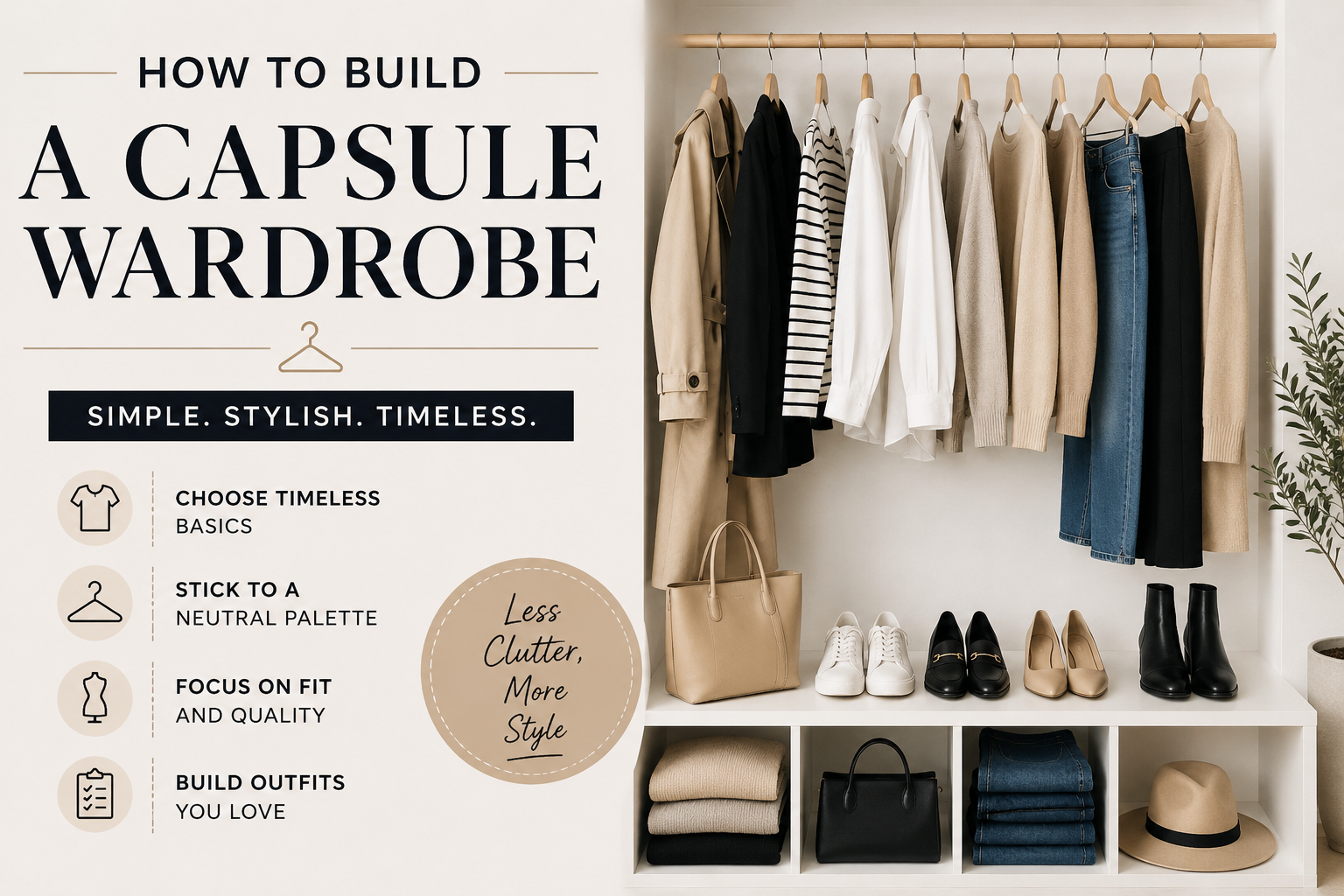
The mix-and-match lifestyle starts with intentional shopping. A capsule wardrobe isn’t about owning fewer things — it’s about owning the right things that work together.
The Core Pieces (10–15 items that do the heavy lifting)
Tops:
- 2 fitted basics (white + black or neutral)
- 1 quality white button-down shirt
- 1 striped or printed top
- 1 knit sweater or cardigan
Bottoms:
- 1 tailored trouser in a neutral
- 1 dark-wash or clean straight-leg denim
- 1 skirt (midi or mini, depending on your style)
Outerwear:
- 1 blazer (neutral or classic pattern)
- 1 jacket (leather, denim, or statement coat)
Shoes:
- 1 white sneaker
- 1 versatile boot or loafer
- 1 heeled option
The Math: 10 tops × 5 bottoms = 50 combinations. Add outerwear and shoes, and you’re working with hundreds of distinct outfits from a tight, intentional wardrobe.
Shopping Principles for a Mix-and-Match Wardrobe
- Before buying anything new, ask: “Does this work with at least 3 things I already own?”
- Prioritize quality fabrics and clean silhouettes over trendy statement pieces
- Build the neutrals first, then add color and print gradually
- Let one or two pieces per season be the “wildcard” investment — the bold piece that energizes the whole wardrobe
The Mindset Shift: Dress Like an Editor
Fashion editors don’t see clothes as outfits — they see them as ingredients. A leopard print coat isn’t just a coat; it’s a neutral that works with florals, checks, and solid basics. A red trouser isn’t a bold statement piece to be worn once — it’s a color accent that transforms navy, black, white, and even green tops.
Start looking at every item in your wardrobe this way. Stop thinking “this is my going-out top” and start thinking “this is a satin texture that plays beautifully against matte cotton or structured wool.” The outfit possibilities open up dramatically.
Final Thoughts
Mastering how to mix and match outfits is ultimately about understanding a few core principles — color relationships, proportion, texture contrast, and pattern scale — and then giving yourself permission to experiment. The most stylish dressers aren’t following rules rigidly; they’re using them as a jumping-off point for creative combinations that feel entirely their own.
Start with a strong foundation of versatile pieces, practice the formulas until they become second nature, and don’t be afraid to break a “rule” once you understand why it exists. That’s when personal style really begins.
Your wardrobe doesn’t need more — it needs to work smarter. And now, it will.