The fashion industry has changed dramatically over the last decade. Trends now move faster than ever, clothing is produced in massive quantities, and consumers are constantly encouraged to buy more. While fast fashion makes trendy outfits affordable and easily accessible, it also creates serious environmental and ethical concerns. This is where an ethical fashion guide becomes important for modern consumers who want to make smarter and more responsible choices.
Ethical fashion is not just about buying expensive, eco-friendly clothing. It is about understanding how clothes are made, who makes them, and the impact they have on the environment. Moving from fast fashion to conscious style helps support sustainability, fair labour practices, and long-lasting quality.
What Is Fast Fashion?
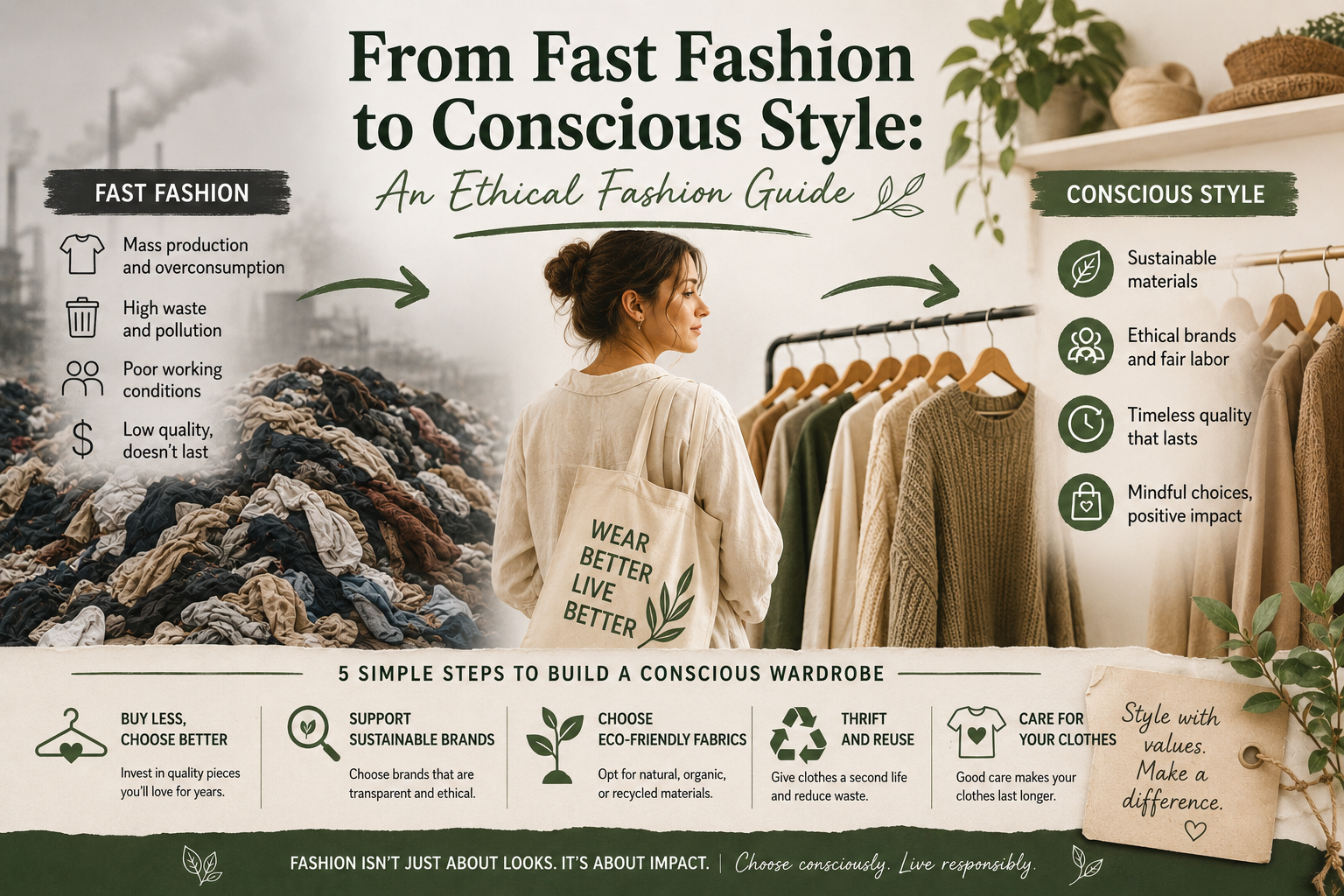
Fast fashion refers to inexpensive clothing that is quickly produced to match current trends. Brands release new collections every few weeks, encouraging people to buy more frequently. While this business model keeps fashion affordable, it often leads to overproduction, textile waste, pollution, and poor working conditions for factory workers.
Millions of garments end up in landfills every year because they are designed to be worn only a few times. Cheap fabrics and low-quality manufacturing also contribute to environmental damage. Understanding these issues is the first step in following an ethical fashion guide and building a more sustainable wardrobe.
What Is Ethical Fashion?
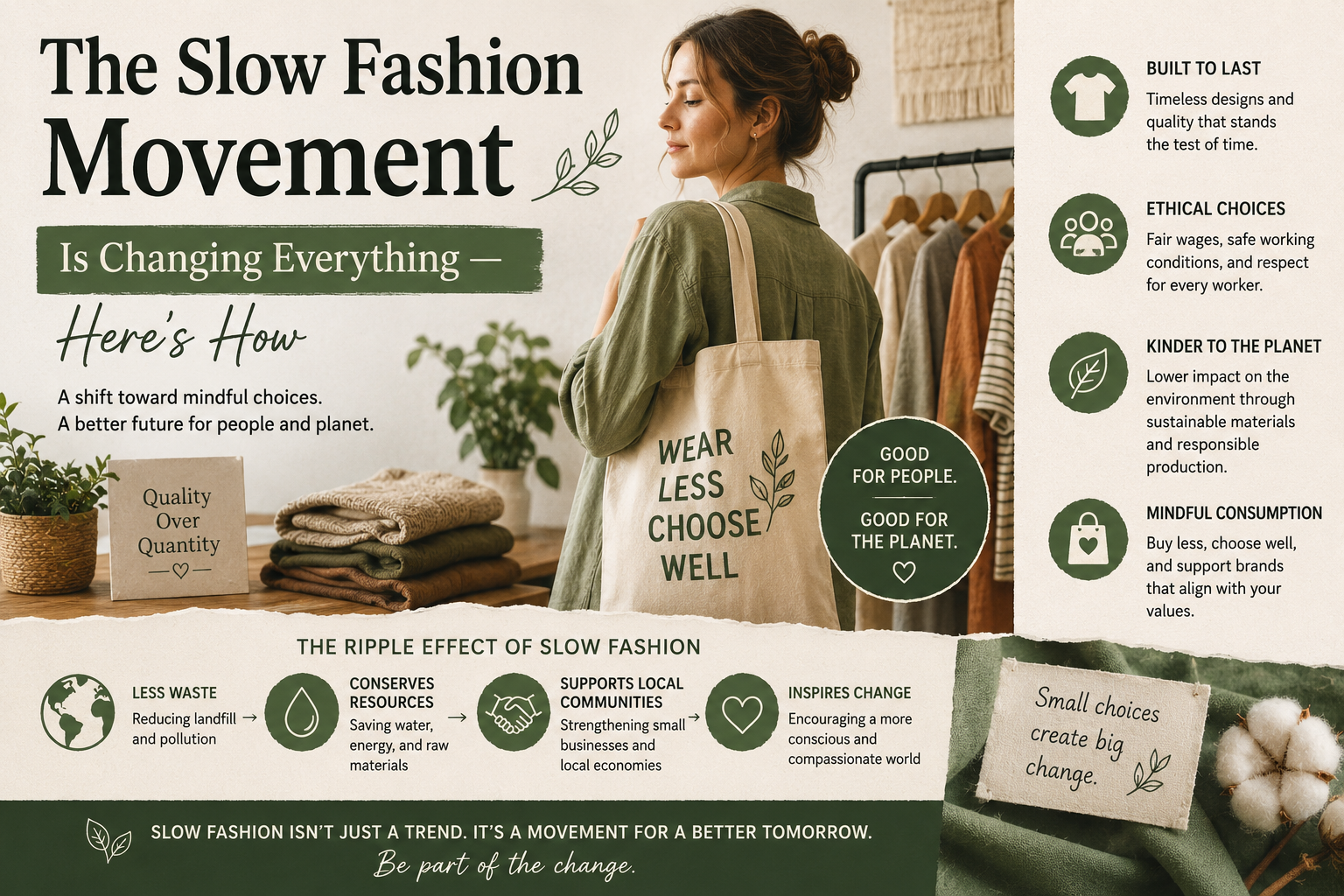
Ethical fashion focuses on creating clothing in a way that respects people, animals, and the planet. It promotes fair wages, safe working conditions, environmentally friendly materials, and responsible manufacturing processes.
Instead of buying clothes based only on trends, ethical fashion encourages consumers to invest in quality pieces that last longer. Brands that follow ethical practices often use organic cotton, recycled fabrics, natural dyes, and sustainable production methods.
An effective ethical fashion guide helps consumers identify brands that prioritise transparency and sustainability rather than mass production and profit alone.
Why Ethical Fashion Matters
The fashion industry is one of the world’s largest polluters. Water consumption, chemical waste, and carbon emissions are major environmental problems caused by clothing production. Ethical fashion aims to reduce these negative effects through sustainable practices.
Ethical fashion also protects garment workers from exploitation. Many fast fashion factories operate with unsafe conditions and unfair wages. Supporting ethical brands helps create better opportunities for workers and promotes humane treatment throughout the supply chain.
Consumers now care more about where their products come from. Choosing ethical fashion allows people to align their personal style with their values.
How to Build a Conscious Wardrobe
Following an ethical fashion guide does not mean throwing away your current wardrobe and buying everything new. Conscious style is about making gradual and intentional changes.
1. Buy Less, Choose Better
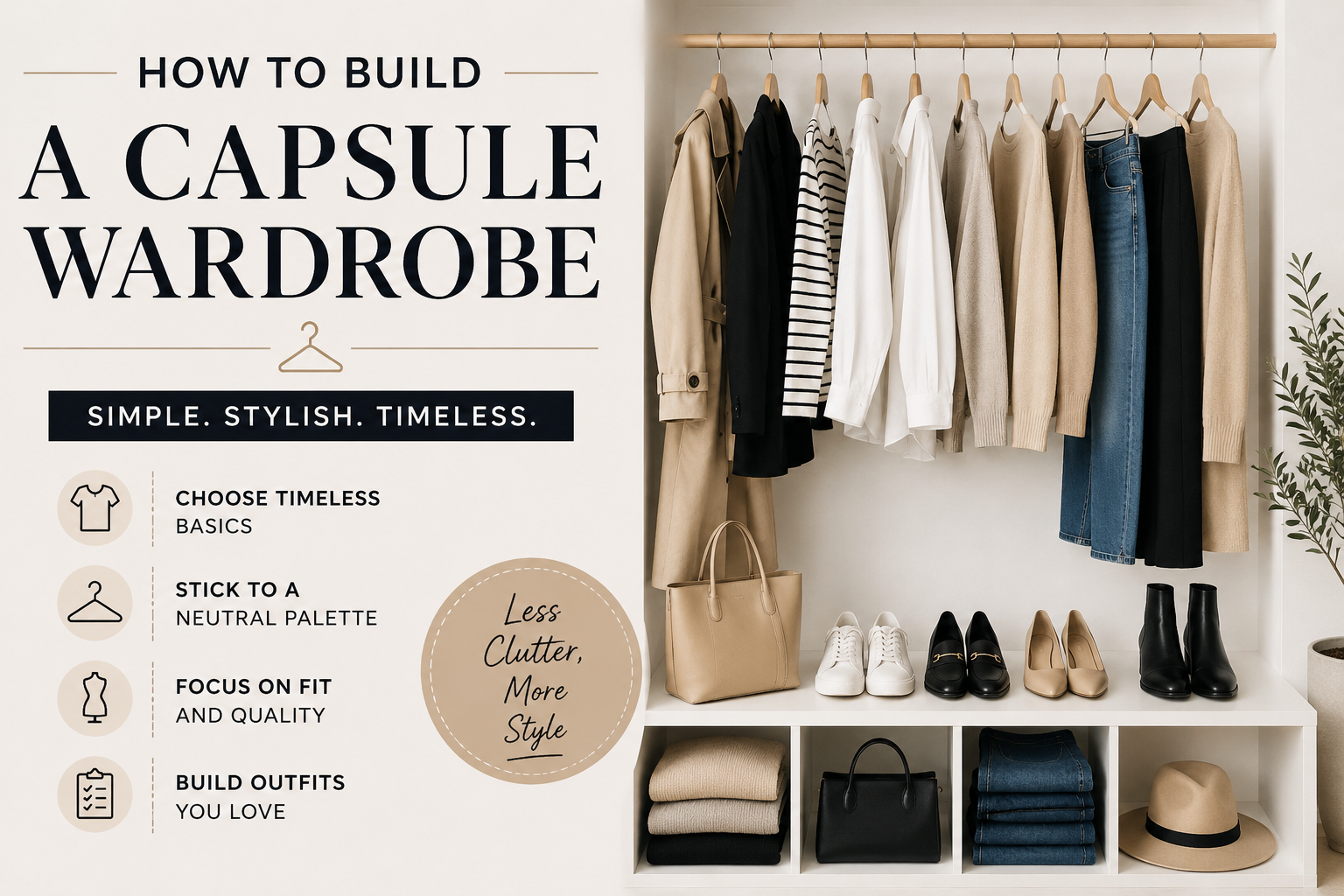
Instead of purchasing multiple low-quality items, invest in timeless pieces that can be worn for years. Neutral colors, durable fabrics, and classic designs help reduce unnecessary shopping.
2. Support Sustainable Brands
Research brands before making a purchase. Look for companies that share information about their production methods, labour practices, and sustainability goals. Ethical brands are usually transparent about their materials and factory conditions.
3. Choose Eco-Friendly Fabrics
Organic cotton, linen, hemp, bamboo, and recycled materials are better alternatives to synthetic fabrics. These materials often require less water and fewer harmful chemicals during production.
4. Thrift and Reuse
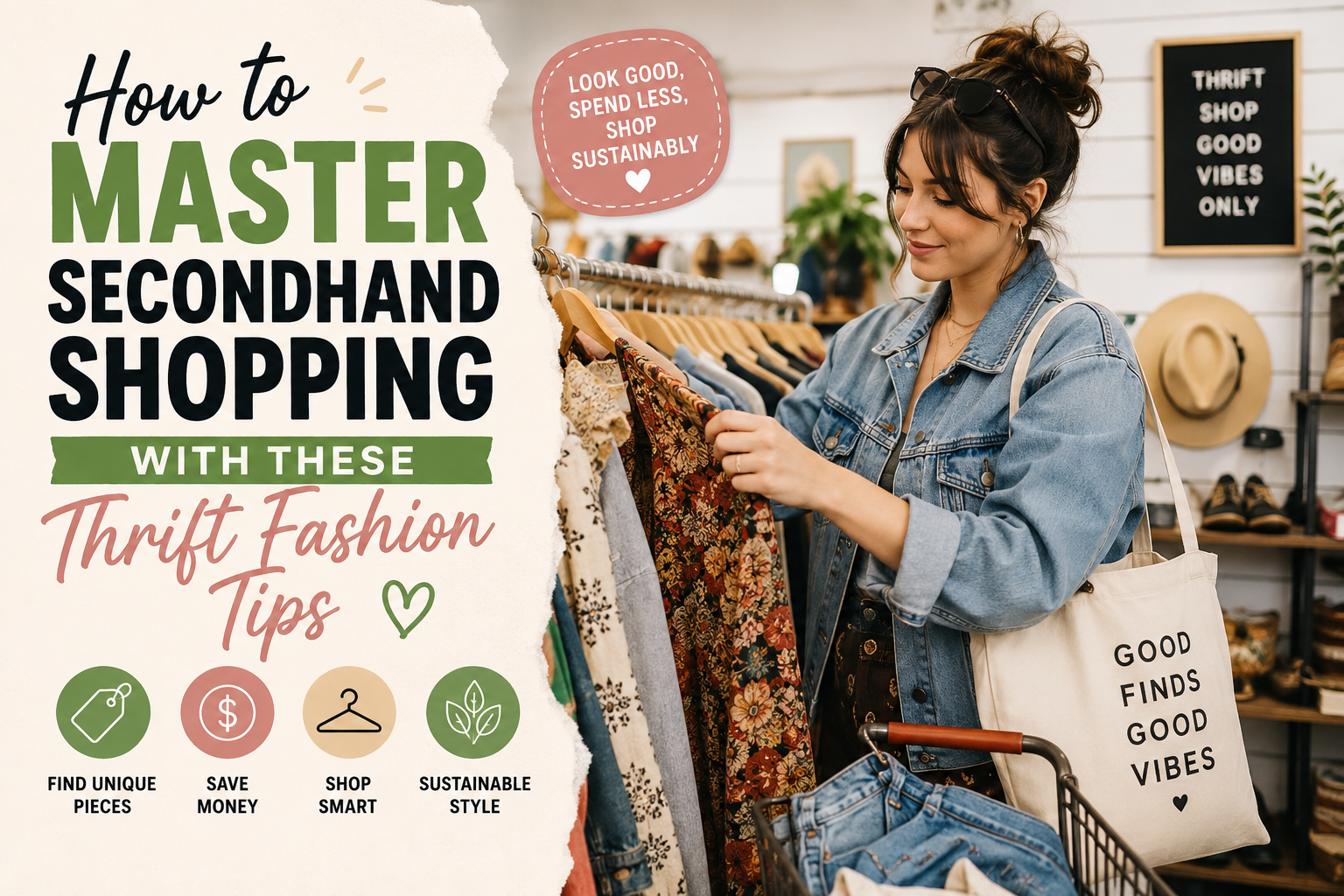
Secondhand shopping is an excellent way to reduce waste and extend the life cycle of clothing. Vintage stores, thrift shops, and online resale platforms make sustainable fashion more accessible and affordable.
5. Care for Your Clothes Properly
Washing clothes less frequently, air drying, and repairing damaged items can significantly increase their lifespan. Proper clothing care reduces waste and saves money in the long run.
Ethical Fashion Is the Future
The shift from fast fashion to conscious style is more than just a trend. Consumers are becoming more aware of the environmental and social impact of their purchases. As demand for sustainable products grows, more fashion brands are adopting ethical practices.
An ethical fashion guide helps individuals make informed choices without sacrificing personal style. Fashion should not come at the cost of environmental destruction or human exploitation. By supporting ethical brands, reducing unnecessary consumption, and choosing quality over quantity, consumers can contribute to a more sustainable future.
In the end, ethical fashion is about balance. It encourages people to enjoy fashion while making responsible decisions that benefit both society and the planet. Small changes in shopping habits can create a significant positive impact over time.