What Is the Slow Fashion Movement?
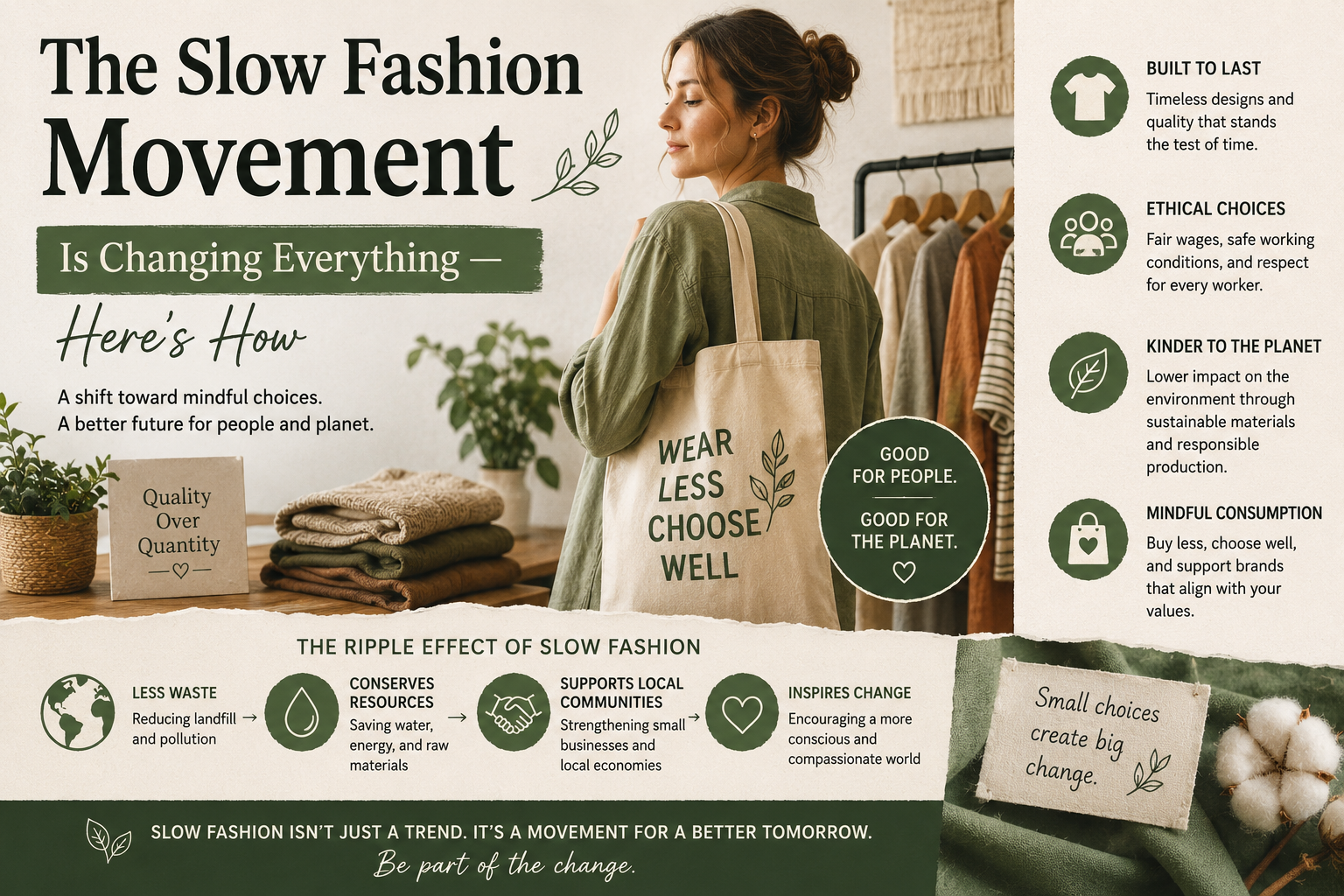
The slow fashion movement is a cultural and economic shift away from the disposable, high-volume model of fast fashion toward a more intentional, ethical, and sustainable approach to clothing. It was coined in response to the environmental and human cost of an industry that produces over 100 billion garments per year.
At its core, the slow fashion movement encourages consumers and brands alike to think about quality over quantity, longevity over trends, and people over profit. It’s not just about what you buy — it’s about fundamentally rethinking your relationship with clothing.
“The slow fashion movement doesn’t ask you to stop loving clothes. It asks you to love them better.”
2How the Slow Fashion Movement Began
The roots of the slow fashion movement trace back to the early 2000s, mirroring the principles of the slow food movement, which challenged industrial food production in favour of local, seasonal, and mindful eating. Fashion writer Kate Fletcher first applied “slow” to fashion in 2007, and the movement has grown significantly ever since.
- In 2007, Kate Fletcher coined the term “slow fashion” — the slow fashion movement is born.
- 2015The True Cost documentary exposes fast fashion’s dark side, fueling the slow fashion movement.
- 2018#WhoMadeMyClothes goes viral — the slow fashion movement enters mainstream social media.
- 2023–26The slow fashion movement becomes a defining consumer trend across Gen Z and Millennials globally.
3The Numbers That Prove It’s Working
- The slow fashion movement is no longer a fringe idea — it’s backed by data:
67%
- More consumers now consider sustainability important when purchasing clothing
$9B
- global secondhand clothing market size in 2026 — driven by the slow fashion movement
3×
- longer garment lifespan when consumers follow slow fashion movement principles
4. Slow Fashion Movement vs. Fast Fashion
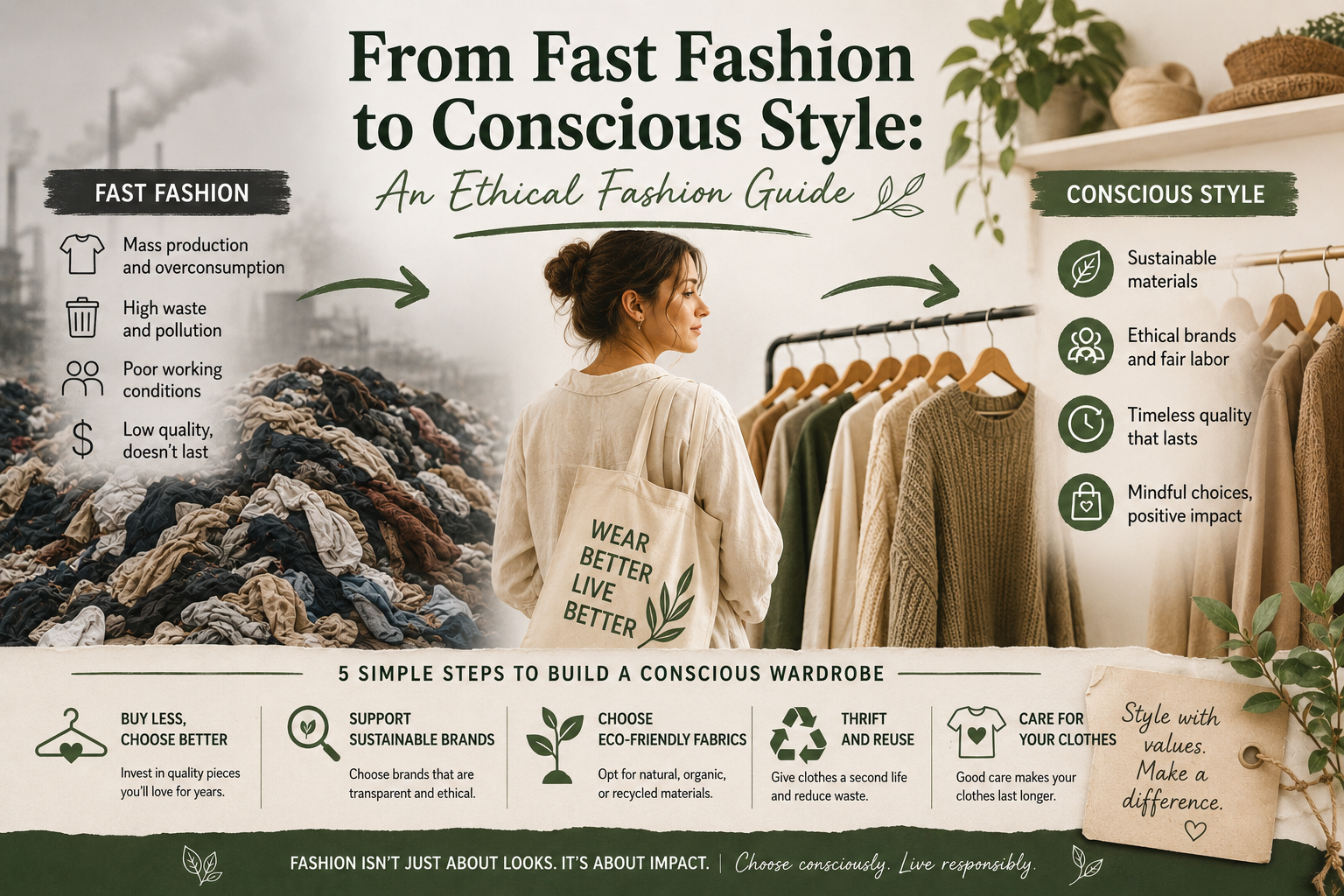
Understanding the slow fashion movement means understanding what it stands against:
| Category |
Fast Fashion |
Slow Fashion Movement |
| Production Speed |
52+ micro-seasons per year |
Timeless, intentional collections |
| Materials |
Cheap synthetics & toxic dyes |
Organic, recycled & natural fibres |
| Labor |
Often exploitative & unsafe |
Fair wages & ethical conditions |
| Price Point |
Low upfront, high true cost |
Higher upfront, lower lifetime cost |
| Garment Lifespan |
Weeks to months |
Years to decades |
| Environmental Impact |
10% of global CO₂ emissions |
Dramatically reduced footprint |
5Key Principles of the Slow Fashion Movement
What does it actually mean to live by the slow fashion movement? These six pillars define it:
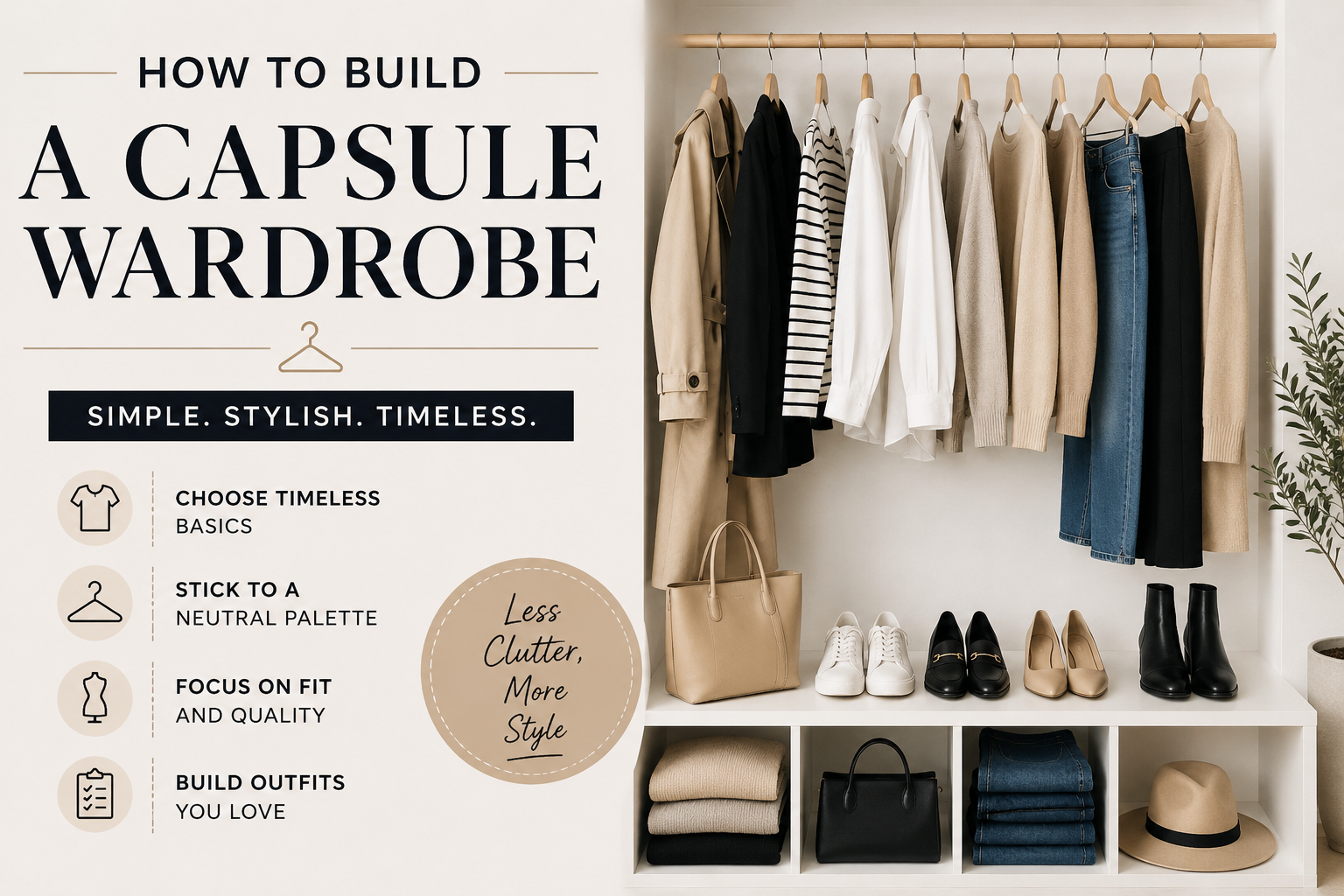
Timeless Design
- Pieces built to last beyond seasonal trends — the slow fashion movement rejects disposability.
Sustainable Materials
- Organic cotton, hemp, linen, TENCEL™ — fabrics that honour the earth.
Ethical Labor
- The slow fashion movement demands fair wages and dignified working conditions at every level.
Radical Transparency
- Brands openly share where and how their clothes are made.
Circular Design
- Clothes designed to be repaired, resold, or composted — never just discarded.
Mindful Consumption
- Buy less, choose well, make it last — the founding mantra of the slow fashion movement.
6Brands Leading the Slow Fashion Movement
These companies have made the slow fashion movement their business model — not just their marketing:
1. Patagonia 2.Eileen 3. Fisher 4. Thought 5.Clothing 6.People 7.Tree 8. Veja 9. Pact 10.Tentree 11.Nudie Jeans
Each of these brands actively champions the slow fashion movement through certified materials, public impact reports, repair programs, and supply chain transparency.
7. How the Slow Fashion Movement Is Changing Industries
The slow fashion movement isn’t just changing wardrobes — it’s reshaping entire industries:
- →Retail — Major retailers are launching “conscious” lines and take-back programs in response to slow fashion movement pressure.
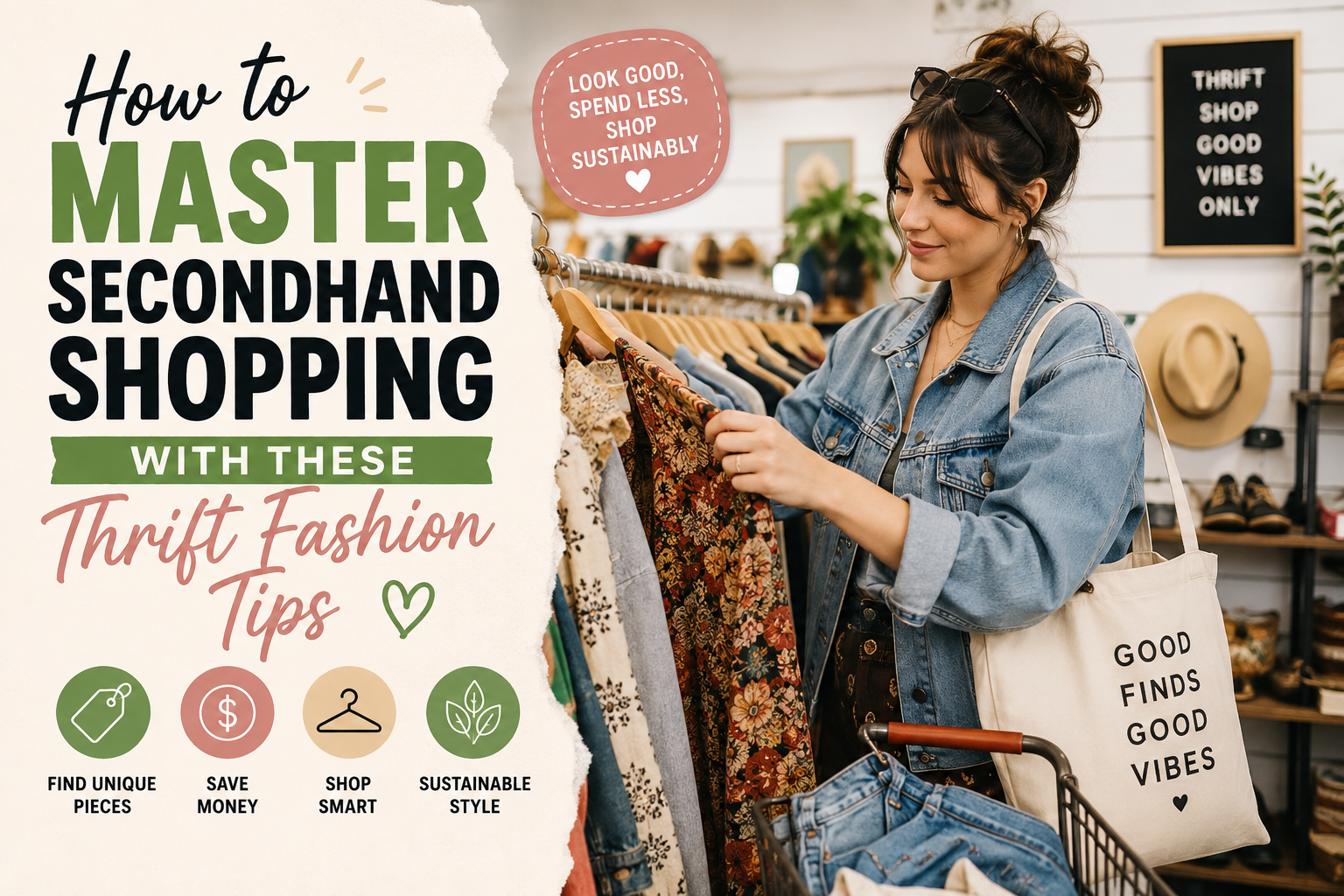
- →Resale & Secondhand — Platforms like Depop, ThredUp, and Vestiaire Collective have exploded, driven by slow fashion movement values.
- →Textile Innovation — Startups developing biodegradable fabrics and waterless dyeing technology are fueled by the slow fashion movement demand.
- →Policy & Regulation — Governments in the EU and UK are introducing legislation inspired by slow fashion movement principles — including right-to-repair laws.
- →Education — Fashion schools worldwide are integrating slow fashion movement ethics into their core curriculum.
8. How to Join the Slow Fashion Movement Today
You don’t need to overhaul your entire life to embrace the slow fashion movement. Start with these practical steps:
- Stop before you shop. Ask yourself: Do I truly need this? The slow fashion movement begins with a pause.
- Invest in quality pieces. Choose one well-made garment over five cheap ones. The slow fashion movement is about lasting value.
- Shop secondhand first. Thrift stores, vintage shops, and resale apps are the slow fashion movement’s best friends.
- .Learn to repair & care. Mend a seam, resole a shoe. The slow fashion movement values the art of maintenance.
- .Support slow fashion brands. Seek out GOTS, Fair Trade, and B Corp certifications — the hallmarks of the slow fashion movement.
- .Spread the word. Share what you know. The slow fashion movement grows one conversation at a time.