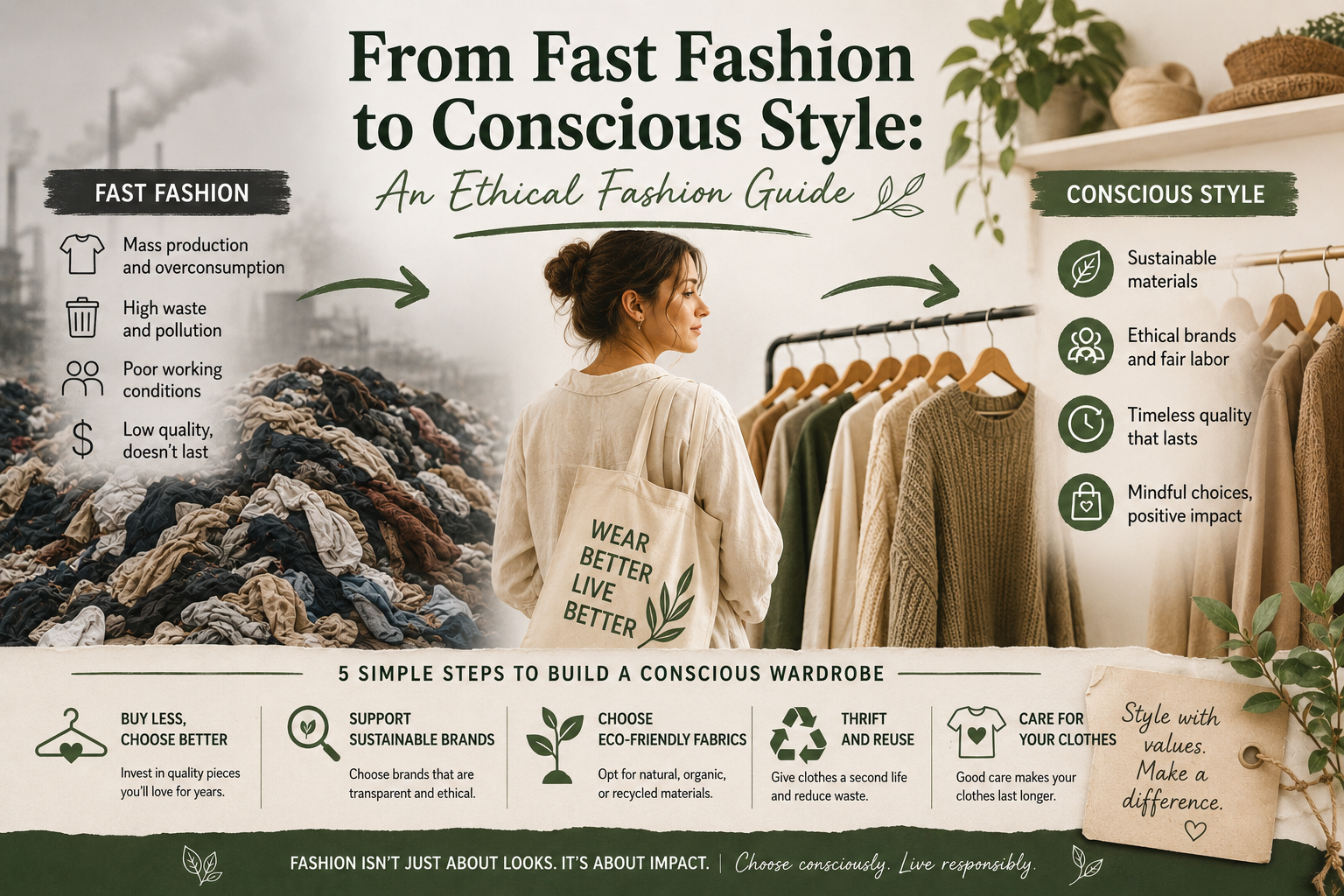
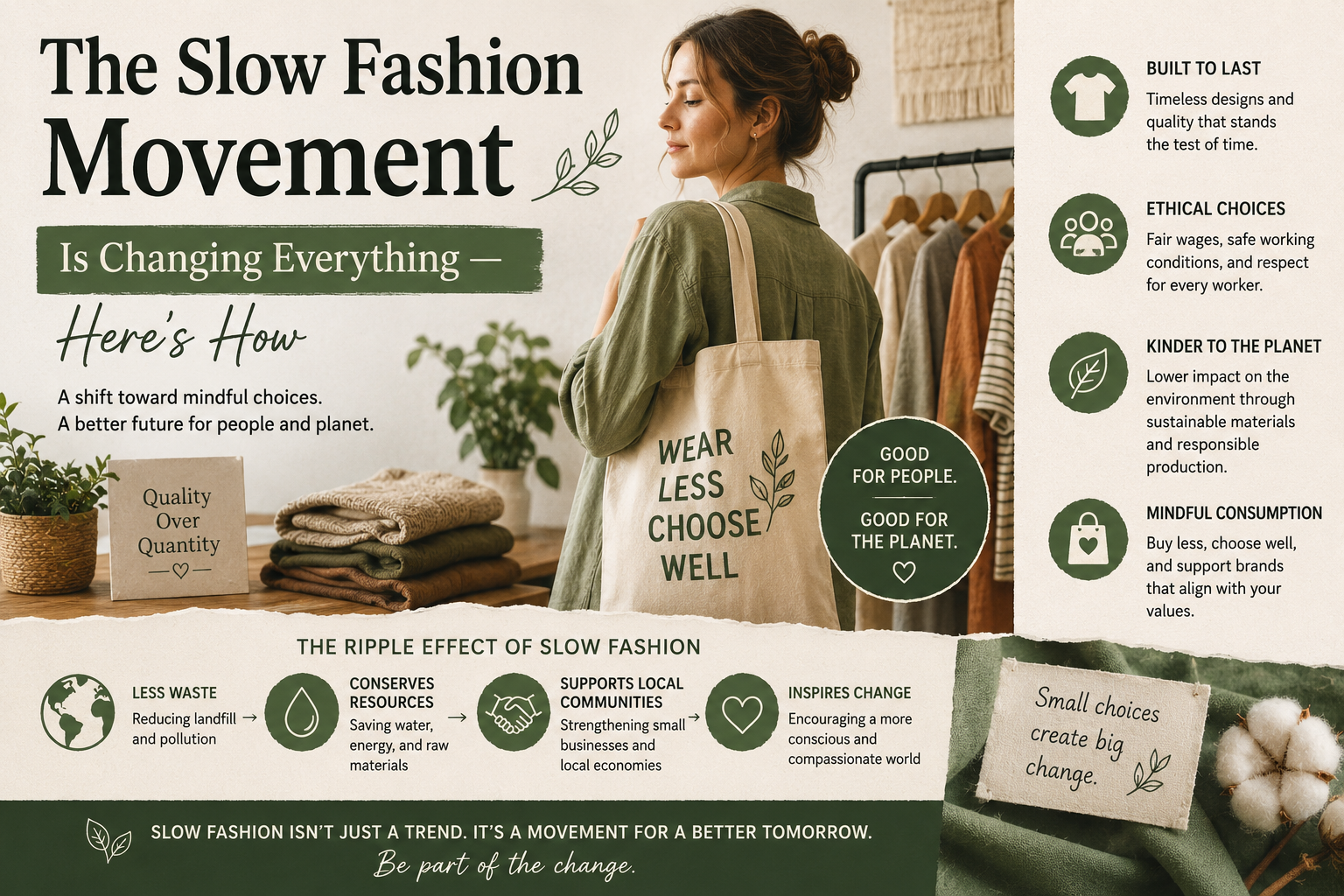
Fashion is going through a major transformation, and at the centre of this change are upcycled clothing trends. What once was considered old, unused, or outdated is now being reimagined into stylish, modern, and highly desirable fashion pieces. This shift is not just about aesthetics—it reflects a growing awareness of environmental responsibility, conscious consumption, and creative expression in the fashion industry.
In this complete guide, we’ll explore what upcycling means in fashion, why it matters, and how upcycled clothing trends are shaping the future of sustainable style.
What is Upcycled Clothing?
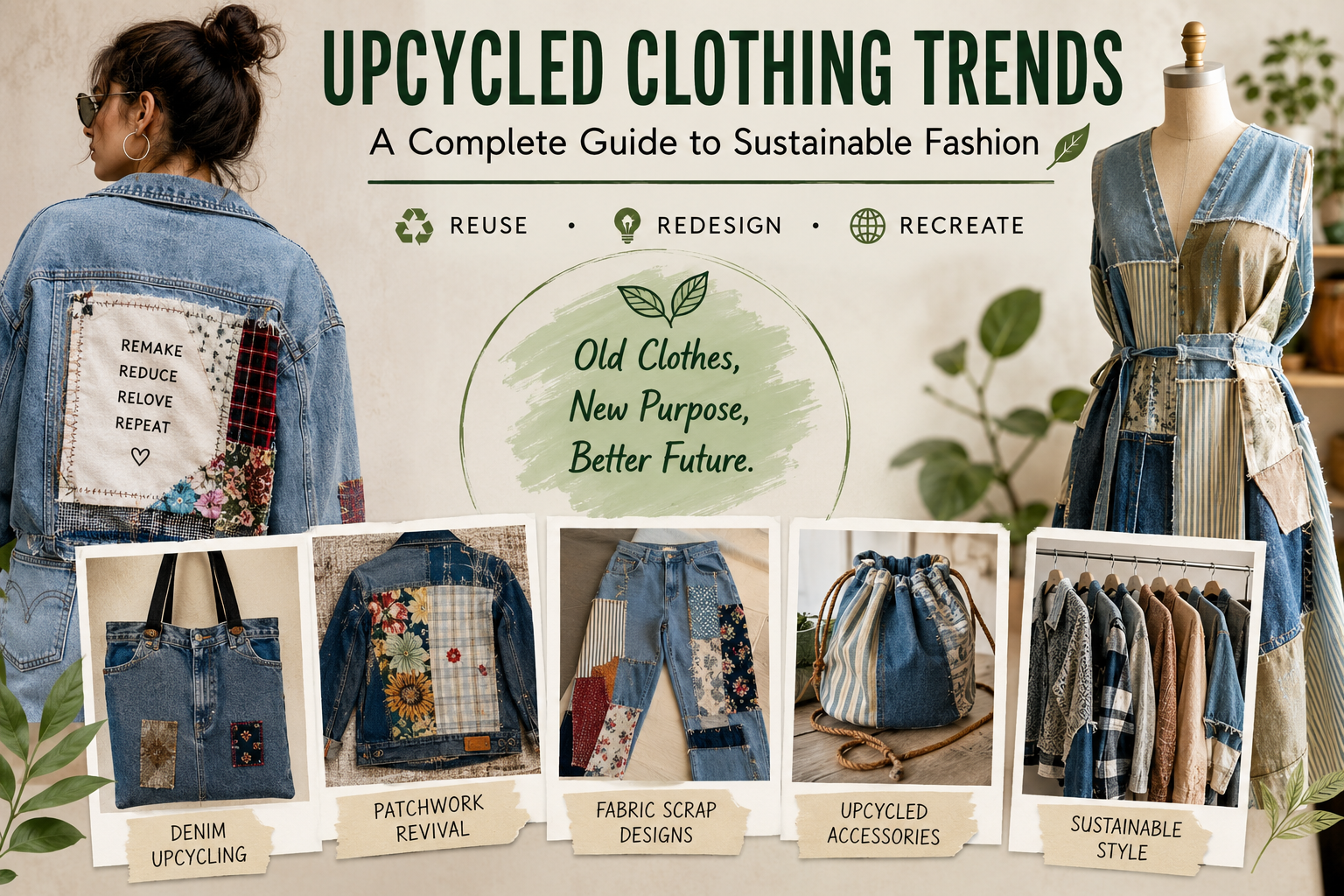
Upcycled clothing refers to garments that are created by reusing, redesigning, or reconstructing existing materials or old clothes into something new and valuable. Unlike recycling, which breaks materials down, upcycling enhances the original product without destroying its core fabric.
For example:
- Turning old denim jeans into a stylish jacket
- Transforming vintage sarees or dresses into modern outfits
- Reconstructing fabric scraps into patchwork fashion pieces
This creative process reduces waste and gives clothing a second life, making it an essential part of sustainable fashion movements worldwide.
Why Upcycled Clothing Trends Are Growing
The rise of upcycled clothing trends is not accidental. Several global factors are driving this shift:
1. Environmental Awareness
- The fashion industry is one of the largest contributors to textile waste and pollution. Consumers are now more aware of their environmental footprint and are choosing eco-friendly alternatives.
2. Demand for Unique Fashion
- Fast fashion often produces mass-designed clothing. In contrast, upcycled pieces are one-of-a-kind, giving wearers a unique identity and personal style.
3. Cost-Effective Fashion
- Upcycling allows designers and individuals to create new outfits at a lower cost by reusing existing materials instead of buying new fabric.
4. Social Media Influence
- Platforms like Instagram and Pinterest have popularised sustainable fashion aesthetics, pushing upcycled clothing trends into mainstream style conversations.
Popular Upcycled Clothing Trends in 2026
Let’s take a closer look at some of the most popular upcycled clothing trends shaping modern wardrobes today.
Patchwork Fashion Revival
- Patchwork designs are making a strong comeback. Designers are combining different fabric pieces, colours, and textures to create bold, artistic clothing.
Denim Upcycling
- Old denim jeans and jackets are being transformed into skirts, bags, corsets, and even dresses. Denim is one of the most versatile materials for upcycling.
Vintage Reconstruction
- Thrifted and vintage clothing items are being redesigned into modern silhouettes while keeping their retro charm intact.
Saree & Textile Transformation
- In South Asian fashion, especially, old sarees are being converted into gowns, tops, and fusion wear—blending tradition with modern style.
Fabric Scrap Accessories
- Even leftover fabric is being used to create handbags, scrunchies, hats, and statement accessories, reducing waste completely.
How Designers Are Embracing Upcycling
Fashion designers and independent creators are now fully integrating upcycled clothing trends into their collections. Many sustainable fashion brands are built entirely around upcycling principles.
They focus on:
- Zero-waste design techniques
- Small batch production
- Handcrafted customization
- Ethical sourcing of materials
This approach not only reduces environmental impact but also supports slow fashion, which prioritises quality over quantity.
Benefits of Upcycled Fashion
Choosing upcycled clothing comes with multiple benefits:
Environmental Benefits
- Reduces textile waste in landfills
- Lowers demand for new raw materials
- Minimises water and energy consumption
Creative Benefits
- Encourages artistic expression
- Allows custom and personalised fashion
- Promotes innovation in design
Economic Benefits
- More affordable than luxury fashion
- Supports small designers and local artisans
- Reduces dependency on fast fashion brands
How You Can Join the Upcycled Fashion Movement
You don’t need to be a designer to follow upcycled clothing trends. Here are simple ways to get started:
- Reuse old clothes instead of throwing them away
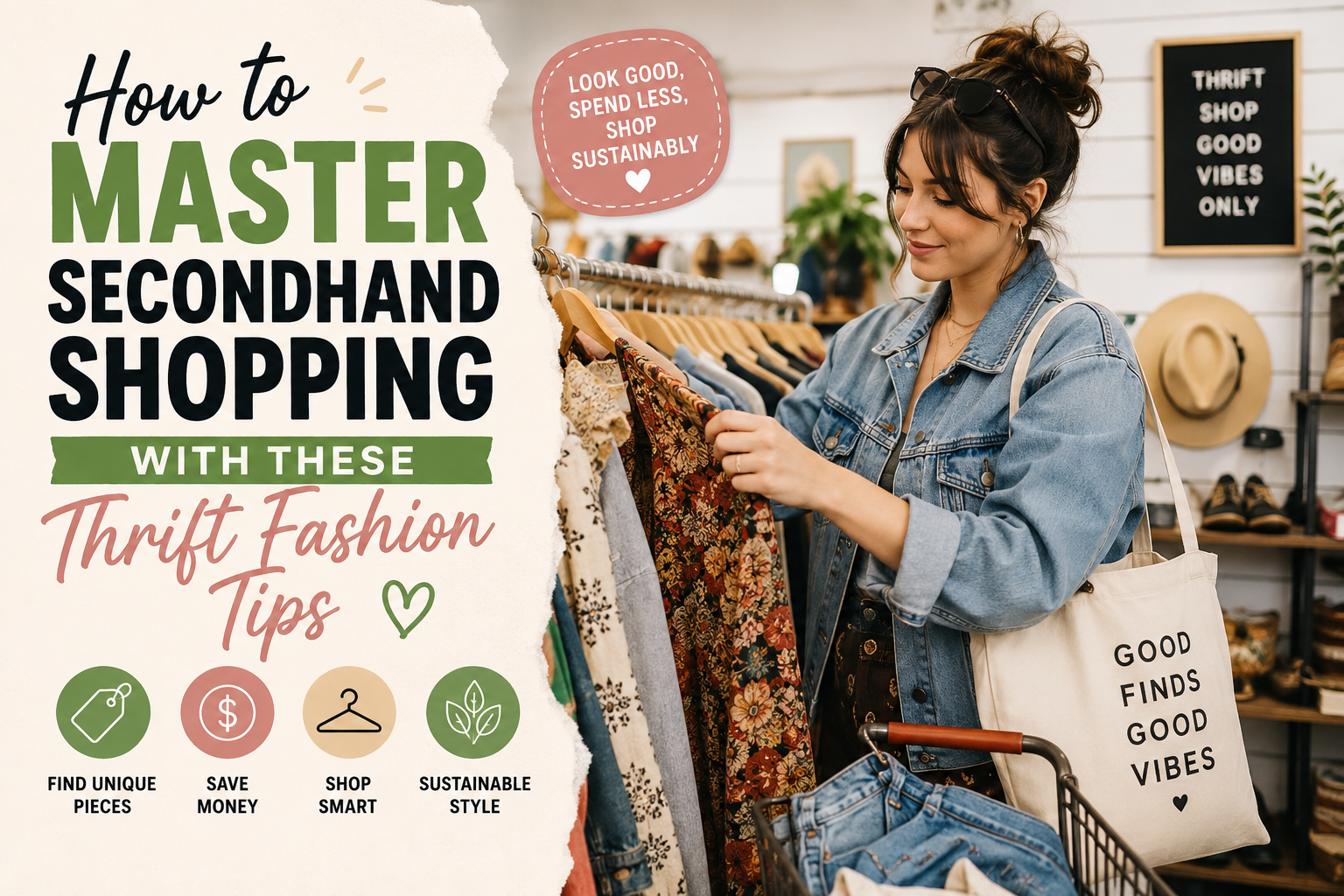
- Visit thrift stores and experiment with styling
- Try DIY fashion projects at home
- Support sustainable and ethical fashion brands
- Learn basic sewing or tailoring skills
Even small steps contribute to a bigger environmental impact.
The Future of Upcycled Clothing Trends
The future of fashion is clearly shifting toward sustainability. As awareness grows, upcycled clothing trends will continue to evolve from niche creativity into mainstream fashion standards.
We can expect:
- More luxury brands are adopting upcycling
- Increased demand for custom-made fashion
- Growth of circular fashion systems
- Stronger focus on eco-conscious consumer choices
In the coming years, fashion will not just be about looking good—it will be about doing good for the planet as well.
Final Thoughts
Upcycled clothing trends represent more than just a style choice—they symbolise a lifestyle shift toward responsibility, creativity, and sustainability. By embracing upcycled fashion, we are not only redefining style but also protecting the environment for future generations.
Whether you are a fashion enthusiast or someone just starting your sustainable journey, upcycling offers endless possibilities to express yourself while making a positive impact.