

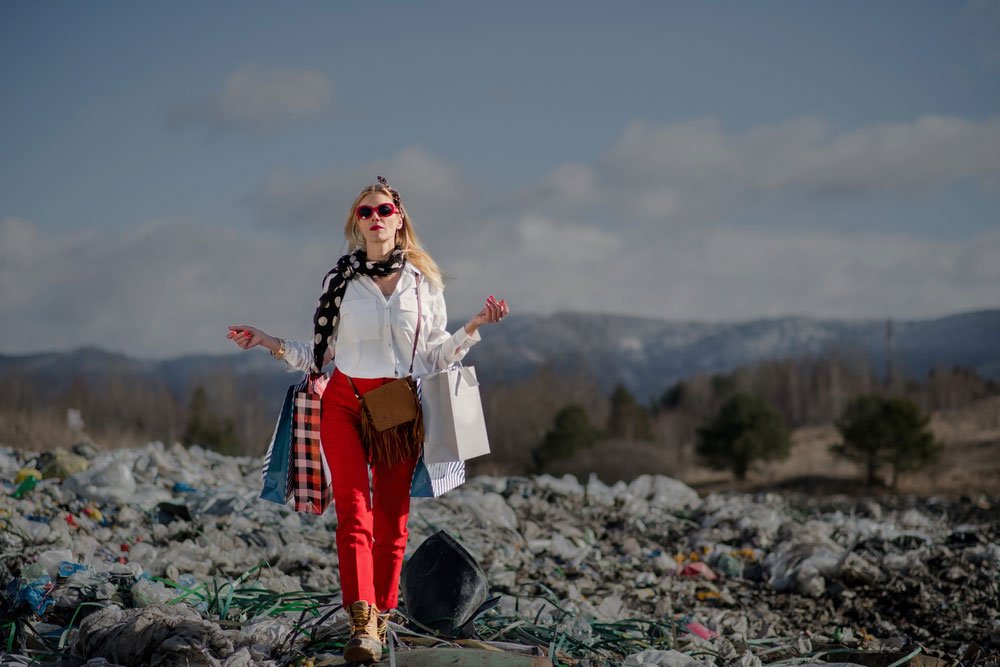
Fast fashion has become a dominant force in the clothing industry, offering trendy and inexpensive apparel at breakneck speed. However, it is important to understand why fast fashion is bad for the environment, society, and even consumers themselves. This article explores the reasons from a research-based perspective.
Environmental Impact
One of the biggest issues behind why fast fashion is bad is its environmental footprint:
- High Water Usage: Producing textiles, especially cotton, requires massive amounts of water. A single T-shirt can use up to 2,700 liters of water.
- Pollution: Fast fashion relies heavily on chemical dyes and synthetic fibers, which often contaminate rivers and soil.
- Waste: Low-quality garments are designed for short-term use, leading to enormous textile waste in landfills.
Research shows that the fashion industry is responsible for around 10% of global carbon emissions, highlighting the environmental consequences of fast fashion.
Labor and Social Issues
Another reason why fast fashion is bad involves unethical labor practices:
- Sweatshops: Many fast fashion brands outsource production to countries with poor labor laws, resulting in unsafe working conditions.
- Low Wages: Workers often earn wages insufficient to meet basic living standards.
- Exploitation: Child labor and exploitation are still reported in certain supply chains.
Ethical concerns about labor practices show that the human cost of cheap fashion is often hidden behind trendy, low-priced clothing.
Consumer and Economic Concerns
Fast fashion also affects consumers and economies in subtle ways:
- Overconsumption: The constant release of new styles encourages a throwaway culture.
- Quality Issues: Fast fashion items are often poorly made and wear out quickly, which can lead to more spending over time.
- Psychological Impact: The pressure to constantly buy new trends can lead to financial strain and dissatisfaction.
These factors further explain why fast fashion is bad beyond environmental and ethical concerns.
Sustainable Alternatives
To counteract the negative effects, consider these alternatives:
- Slow Fashion: Investing in durable, high-quality clothing that lasts longer.
- Secondhand Shopping: Thrift stores and online resale platforms reduce waste and resource consumption.
- Ethical Brands: Supporting companies with transparent supply chains and fair labor practices.
- Minimalist Wardrobe: Focusing on versatile, timeless pieces instead of chasing trends.
These practices not only reduce environmental harm but also support ethical and sustainable fashion practices.
Final Thoughts
Understanding why fast fashion is bad is crucial for making informed choices as a consumer. The environmental damage, social exploitation, and economic consequences highlight the need for more sustainable and ethical alternatives. By choosing slow fashion, supporting ethical brands, and reducing unnecessary consumption, individuals can make a positive impact while enjoying a stylish wardrobe.
